



Every jewelry retailer hears the same question every week: “Is this hypoallergenic?” Sensitive-ear customers are not a niche – they are a large, loyal, repeat-buying segment that most shops serve badly. Stocking a genuine hypoallergenic line converts them, and it starts with understanding what the word actually means.
What “hypoallergenic” really means
There is no legal definition. In practice it means the jewelry releases little or no nickel, the metal that causes contact dermatitis in an estimated 10-20% of the population. The EU Nickel Directive limits nickel release to 0.2 µg/cm²/week for piercings and 0.5 µg/cm²/week for other jewelry – so for international customers, material choice is not marketing, it is compliance.
The metals that qualify
ASTM F136 titanium (the default choice)
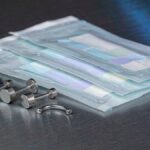
Implant-grade titanium (Ti-6Al-4V ELI, sold as G23) is completely nickel-free, used for surgical implants, and approved for fresh piercings. It is light, hard-wearing and takes anodized colors without any plating. For a wholesale assortment it offers the best margin-to-complaint ratio: almost nobody reacts to it.
Implant-grade niobium
Pure elemental metal, also nickel-free and hypoallergenic. Anodizes to a slightly different palette than titanium. Fewer SKUs available; a good premium add-on rather than a core line.
14k/18k gold – but only nickel-free alloys
Gold itself never causes reactions; nickel alloys in some gold jewelry do. Buy only from suppliers who certify nickel-free gold alloys, and expect a much higher price point.
PTFE and bioplast
Flexible polymers, metal-free. Useful for pregnancy, surgery, sports and initial healing. Not beautiful on their own – their job is carrying metal ends.
What to avoid
Stainless steel (contains 8-14% nickel and releases it), “hypoallergenic” plated brass (the plating wears through), and anything with no material specification at all.
Building the assortment
A sensible starter wall for a studio or salon:
- 40% ASTM F136 titanium studs and hoops – your core profit line
- 20% titanium with CZ/opal tops – gift and bridal buyers
- 15% gold accents (nickel-free certified) – premium shelf
- 15% niobium and specialty pieces – differentiator
- 10% PTFE/bioplast retainers – functional purchases that bring customers back
With TitanPierce’s 10-piece-per-style MOQ, you can build this entire spectrum for a modest first order and expand what sells.
Selling the line honestly
Train staff to say “nickel-free implant-grade titanium, the same alloy as surgical implants” rather than just “hypoallergenic”. Offer mill-test documentation on request – TitanPierce supplies ASTM F136 certificates free with any order, and that paperwork closes cautious customers better than any slogan.
The commercial upside
Sensitive-ear buyers convert at high rates, return for more pieces, and refer friends who “can’t wear earrings”. A clearly-signed hypoallergenic section also shields you from the returns and bad reviews that mixed-metal inventory generates. See also our titanium vs steel comparison and the full wholesale buying guide.